Teaching
With more than 15 years of teaching experience, Chiao-Yu has worked with children and adults in both private studio and university settings. She creates a welcoming and supportive studio where each student can grow with confidence. Lessons combine clear guidance with individualized feedback, helping students develop effective practice habits, independent musical thinking, and a lasting connection to music.
Schedule a Trial LessonTeaching Philosophy
Across my four years of teaching at the University of Washington as a piano teaching assistant, working in both group piano classes and individual secondary piano lessons, I have developed a teaching philosophy centered on technical and artistic growth, independent musical thinking, reflective teaching, and a supportive learning environment. I believe effective music education should give students the skills and confidence to take increasing ownership of their learning while encouraging curiosity, creativity, and a lasting engagement with music.
Balancing Technique and Artistry
I believe that technical development and artistic expression should grow together. Technique is not an end in itself, but a means through which students gain the freedom to express musical ideas with confidence and authenticity.
Alongside building a strong technical foundation, I encourage students to listen critically, explore musical possibilities, and understand the relationship between physical technique, sound, and expression. As students develop, I want them to move beyond simply playing the correct notes and toward making thoughtful artistic decisions that communicate the character and meaning of the music.
Encouraging Independent Musical Thinking
A central goal of my teaching is to help students become increasingly independent musicians. In individual piano lessons, I provide specific weekly feedback so that students understand not only what needs improvement, but also how to practice effectively on their own.
Rather than relying solely on prescriptive instruction, I explain the reasoning behind technical and interpretive suggestions and encourage students to listen, evaluate, and make their own musical decisions. In this way, students learn principles that they can apply beyond a single piece of repertoire.
Each quarter is guided by a long-term performance plan, allowing students to experience the full process of learning repertoire—from initial study and problem-solving to refinement, performance preparation, and artistic ownership. Seeing students carry this independence beyond their own lessons has been especially meaningful to me; two of my former secondary piano students have since become piano teachers themselves.
Creating a Supportive Learning Environment
I strive to create a learning environment in which students feel respected, encouraged, and comfortable asking questions, taking risks, and learning from challenges. Because students enter the classroom with different levels of experience, confidence, and learning needs, I adapt my teaching to provide multiple ways for them to engage with the material.
In group piano classes, I use a combination of demonstration, peer discussion, collaborative activities, and individualized playing. When students are highly interactive, I incorporate additional group activities and discussion; when they are more reserved, I emphasize demonstrations and individualized participation. I pay close attention to both verbal and nonverbal cues and adjust my approach according to students' responsiveness and needs.
I also use interactive games and small reward systems when appropriate to make learning engaging and approachable. These strategies can encourage participation, reduce performance anxiety, and help students build confidence at the keyboard.
At the beginning of each course, I communicate that assessment reflects not only performance outcomes, but also individual growth over the quarter. I want students to understand that my role is not simply to evaluate their playing, but to mentor and support their development throughout the learning process.
Listening, Reflecting, and Adapting
Reflection is central to my teaching practice. I believe effective teaching requires not only clear pedagogical goals, but also a willingness to listen to students and adapt when a particular approach is not meeting their needs.
In my university teaching, I have supported this process through structured student feedback. During the third week of each quarter, students are invited to provide anonymous feedback, which I review carefully and use to make adjustments within the same term. These changes may include modifying the pace of a course, clarifying expectations, or devoting additional time to concepts students identify as challenging.
For example, after a student shared that she did not feel comfortable performing a newly introduced technique alone in class, I adjusted the learning sequence so that students first practiced and performed the concept together. They transitioned to individual performance the following week, after gaining greater familiarity and confidence. This experience reinforced my belief that flexibility can help students meet challenging expectations without lowering those expectations.
Learning Through Performance and Community
I view performance as an important part of the learning process. Performing gives students an opportunity to integrate technical preparation, musical understanding, concentration, communication, and confidence.
In addition to regular instruction, I organize studio dress rehearsals outside of class time, giving students opportunities to perform for their peers before a final performance. These rehearsals allow students to practice performing in a supportive setting, receive feedback, learn through observation, and become more comfortable sharing their work with others.
They also help create a sense of musical community. Students can learn from one another's interpretations and experiences while recognizing that musical development is both an individual process and one that can be strengthened through listening, collaboration, and mutual encouragement.
A Partnership in Learning
I believe successful music education is a partnership built on communication, consistency, and shared commitment. The teacher provides guidance, structure, expertise, and encouragement, while the student develops responsibility for regular practice, preparation, and active participation in the learning process. In private studio teaching, families can also play an important role by providing encouragement and supporting consistent practice at home.
My goal is not simply to prepare students for the next lesson or performance, but to give them the tools to become increasingly responsible for their own musical development. Through this partnership, I hope students develop discipline, confidence, curiosity, and a meaningful relationship with music that extends beyond their formal studies.
Ultimately, I view teaching as an evolving practice. I continue to refine my approach through observation, reflection, student feedback, and experience while remaining grounded in the principles that shape my teaching: balancing technique and artistry, encouraging independent musical thinking, creating a supportive learning environment, and helping students develop a lasting engagement with music.
Testimonials
Ms. Wu took her job at helping us to prepare for the proficiency test very seriously, yet she did so while still managing to make the course fun. While being very organized and serious, she was at the same time very encouraging.
View moreView less
I am delighted to support Chiao-Yu Wu's nomination for the University of Washington's Teaching Assistant Award. I had the privilege of taking MUSAP 235—the last course in the piano proficiency sequence—in Autumn 2022. This course is a critical one for music majors, as it is the last course to prepare them for a proficiency exam that they need to take in order to earn their degree. Ms. Wu took her job at helping us to prepare for the proficiency test very seriously, yet she did so while still managing to make the course fun. From the first day of class, she made sure that we were practicing each of the key skills that we needed to master for the proficiency test. She worked with us both individually and in groups. I was particularly impressed with her commitment to students outside of class. On several occasions, she made herself available to students outside of class to work on particular skills. While being very organized and serious, she was at the same time very encouraging. In particular, she tried to ease students' performance nerves and complimented how well they were doing at just the right moments. As someone who has taught at the University of Washington for 23 years and who has taken courses from dozens of people over the years, I can truly say that Ms. Wu is deserving of such an award.
Chiao-Yu was able to give everyone what they needed to excel. She was very approachable and offered help outside of class time to make sure everyone had what they needed to succeed.
View moreView less
I was incredibly fortunate to take my introductory piano class with Chiao-Yu, and I cannot think of another TA more deserving of recognition than her. Teaching a group of students the foundations of an instrument is already a difficult task, but it is especially difficult given the amount of material that needed to be taught and that everyone in the group was at a completely different starting point. Chiao-Yu was able to give everyone what they needed to excel. She was very approachable and offered help outside of class time to make sure everyone had what they needed to succeed. I play the flute, but I had no prior experience with piano before this class. I was very intimidated reading the class description, but Chiao-Yu was so encouraging and helpful that after the first class I wasn’t worried at all. She never neglected any of the students during class, even if they already had a good handle of the material, and I believe her individualized and encouraging teaching methods allowed every student to get the most they could have out of the class.
She has single-handedly made me excited about continuing to learn piano, because she gave me the confidence necessary to know that I can do it.
View moreView less
Chiao-Yu Wu is more than deserving of the University of Washington Teaching Assistant Award. I was lucky enough to have taken the first course in the School of Music's piano proficiency series with her, MUSAP 133, and she made the class so enjoyable, easy, and something that I looked forward to each week. I came into the class with a lot of ‘informal’ training playing piano but never received any formal training to learn correct fingerings or anything like that. But the way she taught made it fun and easy to learn these things, and I became genuinely excited about learning piano more. If ever a student made a mistake while playing, she would never, and I do mean never, scold us for those mistakes. She knew we were already in a high-stress environment, since we were having to play things in front of other students. Rather, if we made mistakes while playing, she would say things like ‘That's okay!’, ‘You're doing great, keep going!’, ‘Don't worry about it, it's okay’, or ‘That was great, here's some feedback.’ All the feedback that she gave us was so genuine and specific. She wouldn't just say ‘great job’ and then leave it there; she would give us a specific reason why what we did was good. She has single-handedly made me excited about continuing to learn piano, because she gave me the confidence necessary to know that I can do it. For all these reasons and more, Chiao-Yu is absolutely deserving of this TA award.
There was noticeable progress after each lesson, and my understanding of the music improved dramatically thanks to her help.
View moreView less
I’ve been studying with Chiao-Yu at UW for a little over a year now, and she has been a wonderful teacher and mentor to me. She was superb at helping me improve my musicality, and is great with teaching both classical and non-classical music. There was noticeable progress after each lesson, and my understanding of the music improved dramatically thanks to her help. Not only was she able to help with my technique and musicality, but she was also great at teaching me how to perform on stage. Learning with her has led me to be a much more mature musician, and her lessons were something I genuinely looked forward to every week. She is an extremely kind and knowledgeable musician, and anyone would be fortunate to have the opportunity to study under her. I highly recommend anyone looking for a teacher or interested in piano to take lessons with Chiao-Yu!
Chiao-Yu made me feel confident in my ability to play it and I never felt worried that I wouldn’t learn it in time for the recital.
View moreView less
I was lucky to have Chiao-Yu as my piano teacher last quarter at UW. She helped me fix issues with my technique and musicality by providing feedback that was easy to understand and apply to my playing! I chose a difficult song to learn for my performance, but Chiao-Yu made me feel confident in my ability to play it and I never felt worried that I wouldn’t learn it in time for the recital. On top of all that, she was very passionate about the music and is a very positive teacher. Would definitely recommend her!
I returned to the piano after nearly twenty years, and somehow it became something I look forward to every week. As a software engineer, I’ve learned that piano and debugging have more in common than I expected—and Chiao-Yu always seems to have another fix to try.
View moreView less
I returned to the piano after nearly twenty years, and I didn’t expect to enjoy learning again this much. Learning with Chiao-Yu has made piano something I genuinely look forward to every week.
Her lessons balance high standards with a relaxed and encouraging atmosphere. Early on, seeing clear progress from week to week gave me a real sense of accomplishment and created a positive feedback loop—the more improvement I could hear and feel, the more motivated I became to practice. As the repertoire became more challenging, I also learned that progress isn’t always linear.
As a software engineer, I sometimes think of our lessons as debugging. When something isn’t working, she helps me figure out why, try different approaches, and iterate until we find something that clicks. She always seems to have another idea to try, so getting stuck rarely means simply repeating the same thing over and over.
I also appreciate how she balances attention to detail with the bigger musical picture. We work on technique and fundamentals, as well as differences in touch and sound that I could barely hear when I first started. At the same time, we always come back to longer phrases, breathing, musical direction, and what I want to communicate to an audience. She explains not only what to improve, but why, which has helped me become more thoughtful and independent in my own practice.
Lessons are also genuinely fun, with plenty of laughter and unexpected jokes along the way. Even during some of the most stressful periods of my life, piano has remained a place where I can slow down, focus, and simply enjoy making music.
Seeing Chiao-Yu’s own dedication to music and how much she values every opportunity to perform has also been motivating to me as a student. Her love for music comes through naturally in her teaching and has encouraged me to become more curious about music myself.
Quite the opposite—her standards help me improve quickly, and she does it all in a supportive and respectful way.
View moreView less
I had about three months of very basic experience before starting lessons with Joyce. I’ve continued learning from her for several important reasons. To me, sustaining passion for a hobby requires low pressure in the beginning. I don't like having too many rigid rules—instead, I prefer to let my curiosity guide me. That curiosity helps me recognize what I don’t yet know and keeps me motivated to improve.
Joyce is not just a teacher, but also a friend. She's incredibly open-minded and encouraging. Even as a beginner, I felt comfortable expressing my thoughts and sharing my interpretations. She points out areas where I can improve, such as technique and expression, without making me feel discouraged. Even though I’m not naturally quick at absorbing abstract concepts, Joyce patiently repeats important reminders and gives me space to process things at my own pace. I also enjoy sharing my own inspirations and music videos with her, which makes the learning experience feel more collaborative.
Joyce holds high standards for piano playing, but that doesn’t mean she’s strict or intimidating. Quite the opposite—her standards help me improve quickly, and she does it all in a supportive and respectful way. I highly recommend her because she pays close attention to detail, while always making students feel comfortable and confident to keep pursuing their passion.
Below are some of my personal takeaways—just my own subjective experiences that I’ve found meaningful:
1. Posture matters! Sitting too high or too low can affect how effectively you transfer energy to the piano. Some pieces require the use of arm and body weight, so posture really impacts your sound and control.
2. Always practice slowly. It’s tempting to speed up, especially when playing technically challenging passages. But rushing leads to unclear, muffled notes. Practicing slowly helps you feel how the dynamics should be transferred from finger to finger.
3. Music has direction. Both the left and right hands carry expression. Sometimes, one hand plays a melodic line we want the audience to hear clearly. It’s important to listen carefully and decide where the focus should be. A rich tone might require playing deeper into the keys, while lighter, colorful passages are often played more on the surface.
If you're looking for a piano teacher who is patient, thoughtful, inspiring, and detail-oriented, I wholeheartedly recommend learning with Joyce—she’s someone who can truly help you grow while enjoying the journey.
Student Recitals
2025 Winter Studio Recital
2025 Spring Studio Recital
Upcoming Studio Events
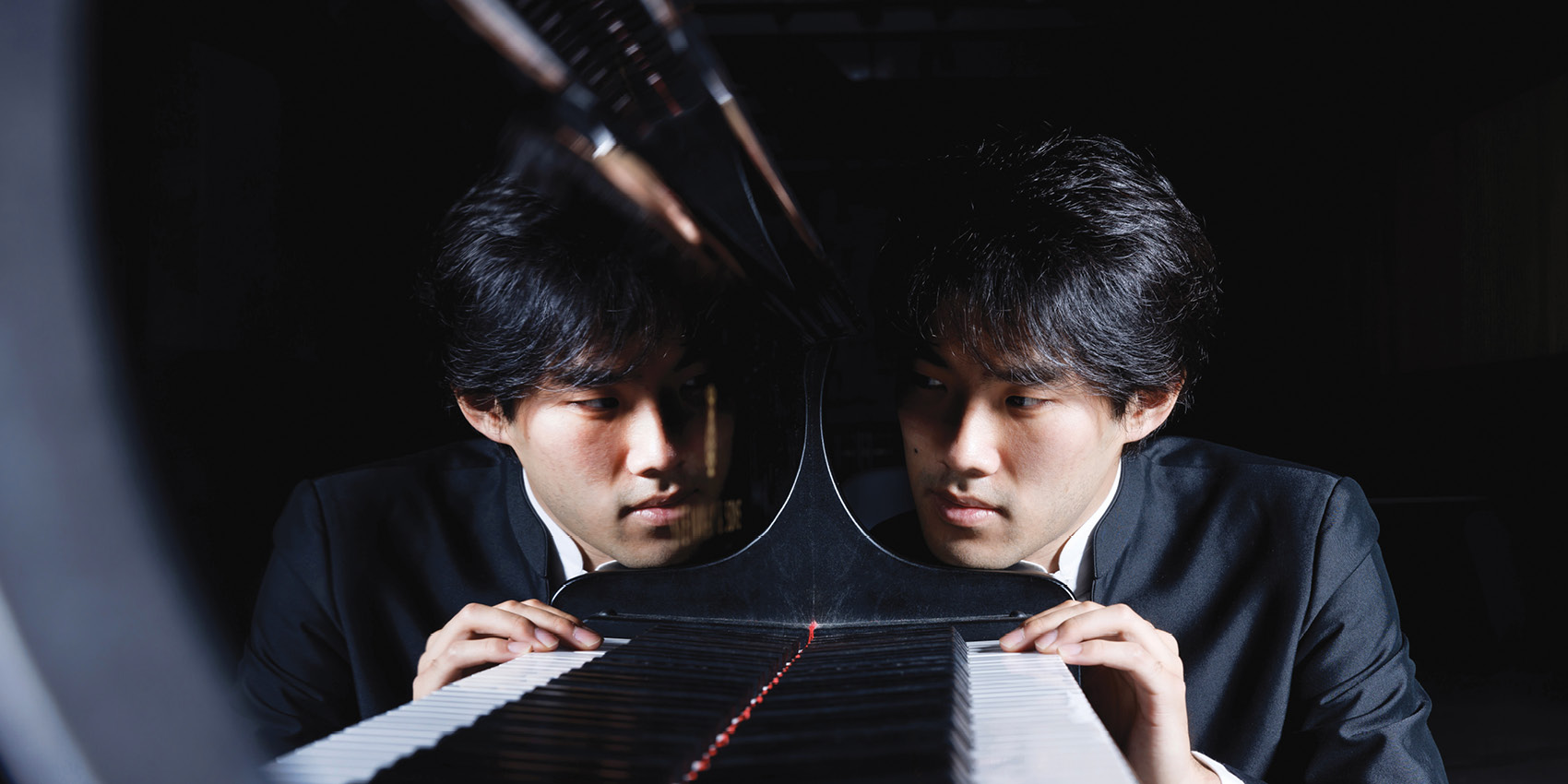
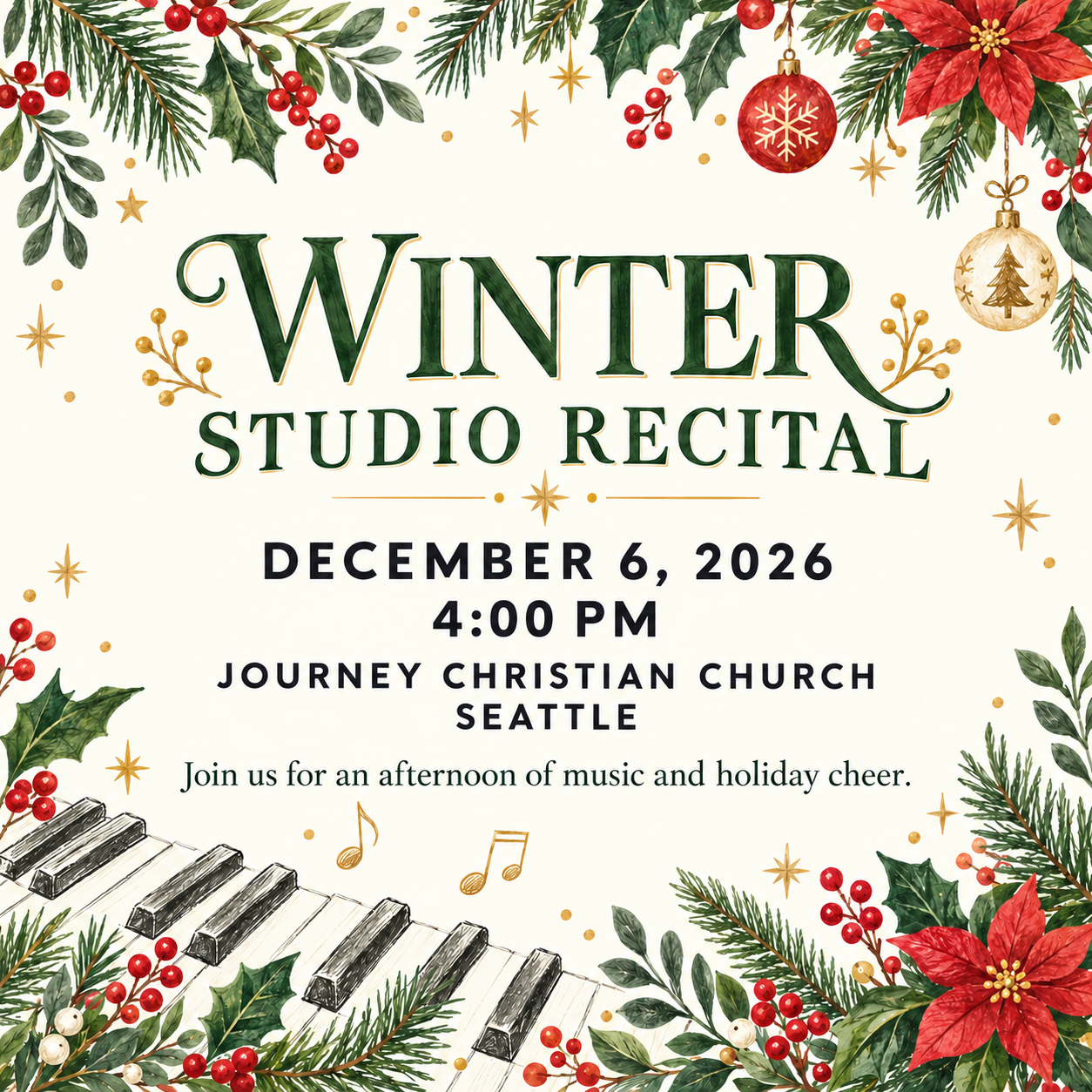
Winter Studio Recital
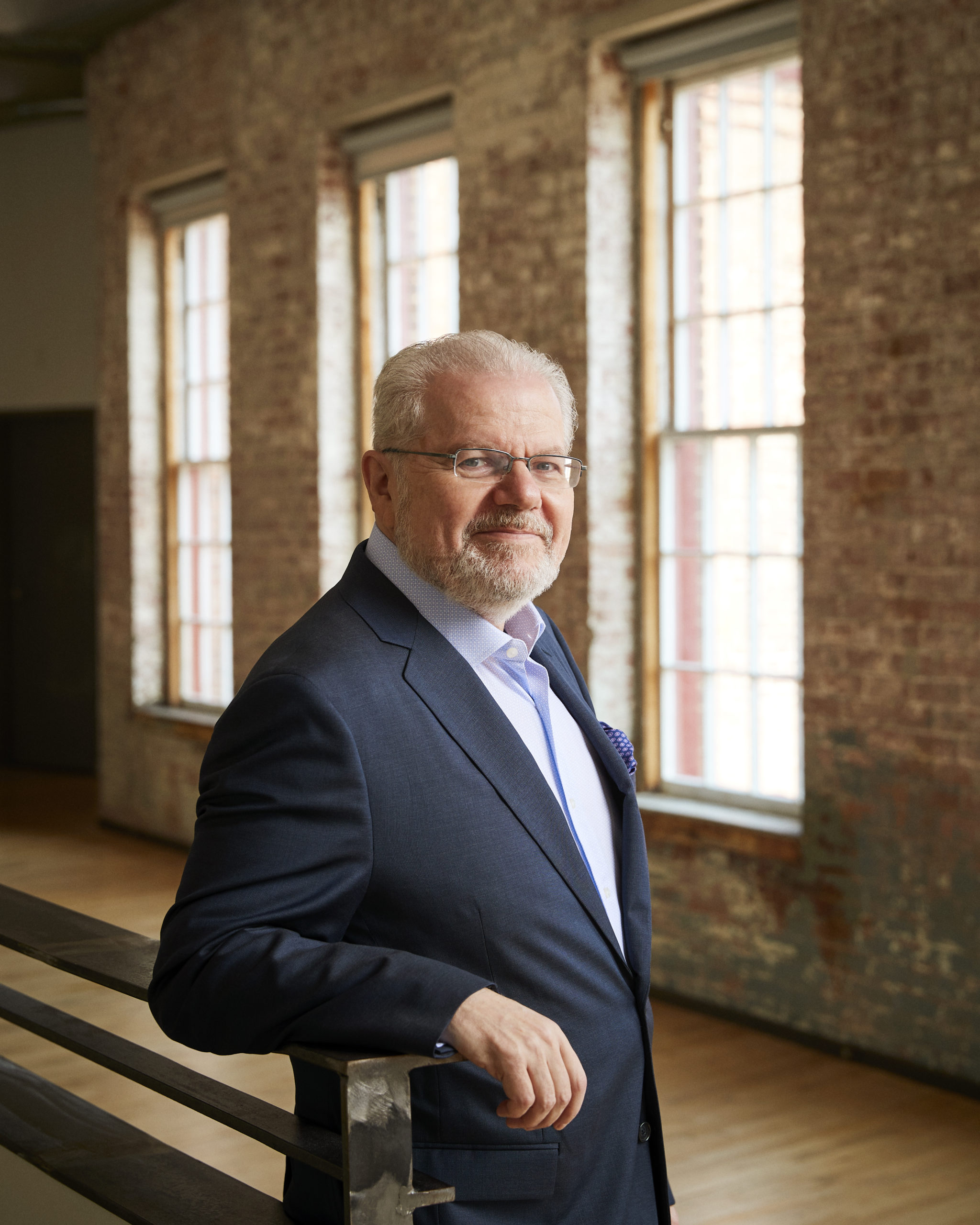
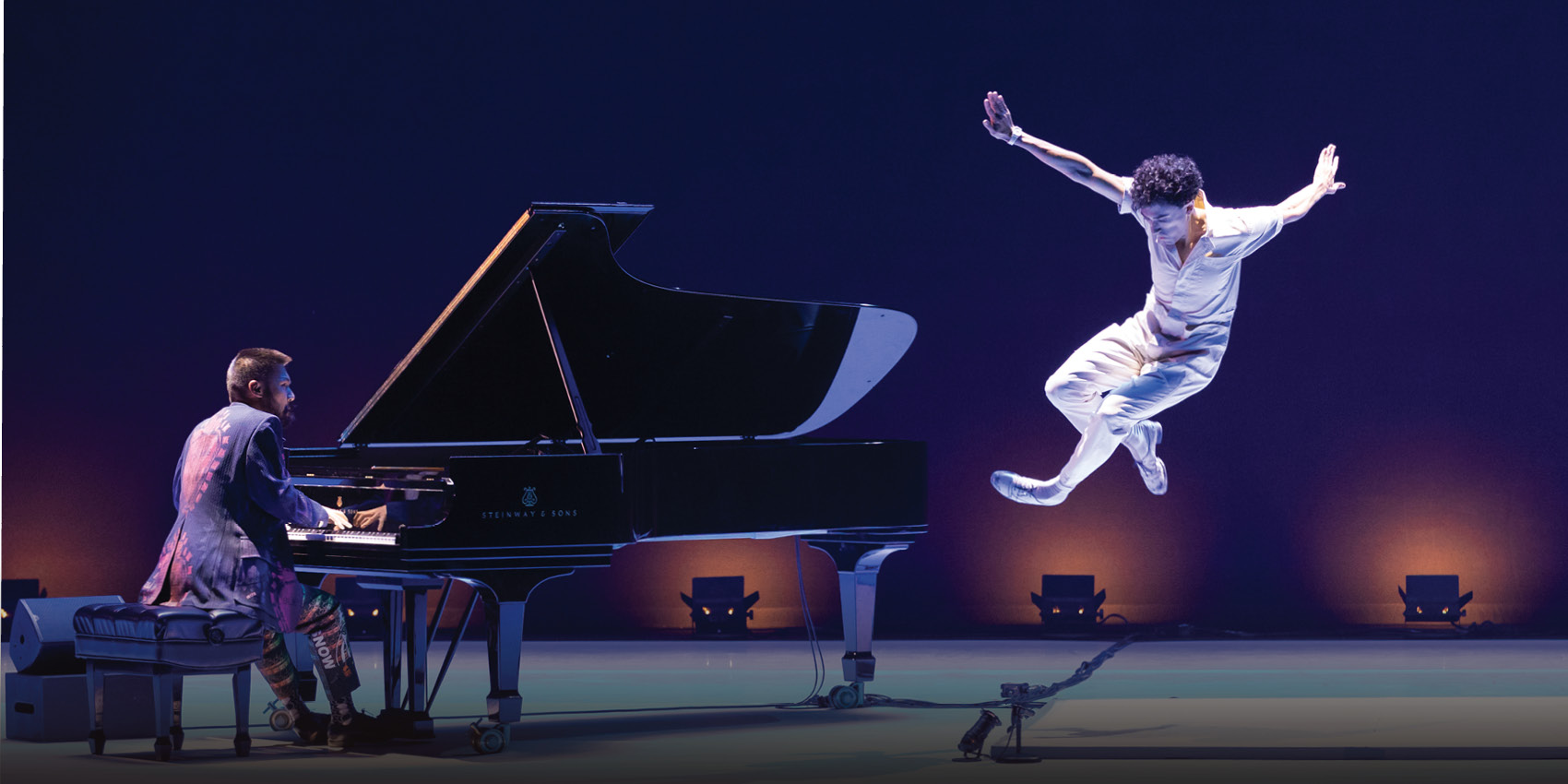
Studio Concert Field Trip
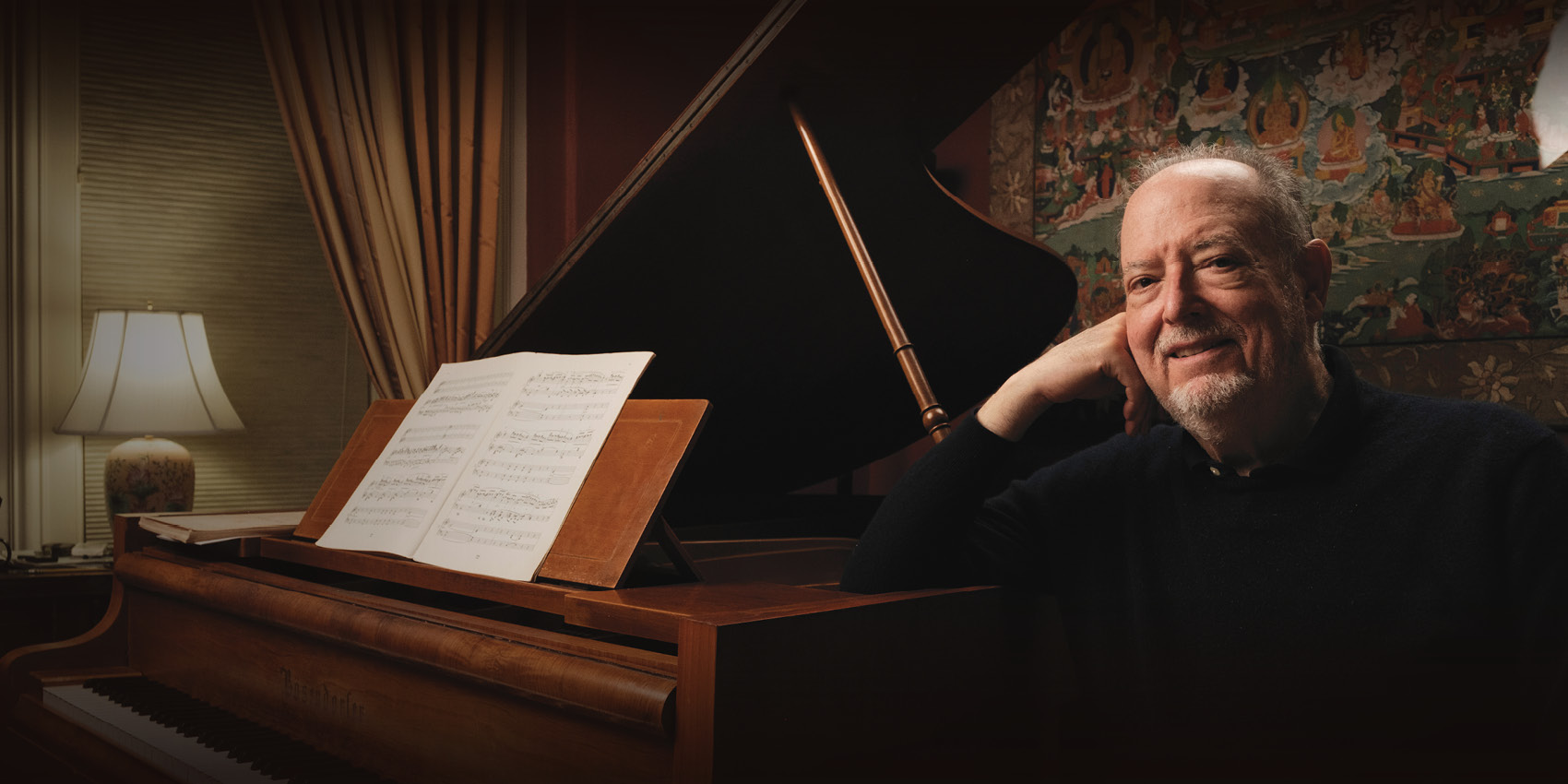
Garrick Ohlsson
Winner of the 1970 International Chopin Piano Competition and chair of the 2025 jury
Spring Studio Recital
New dates will be announced here.
Studio Policy
The studio is committed to the development and progress of each student through professional musical training.
Music study supports growth not only as a musician, but also in valuable life skills such as self-discipline, confidence, perseverance, a positive attitude, and the ability to set and achieve goals.
My goal is to help every student reach their full potential.
Lesson Schedule
Students follow a consistent weekly lesson schedule arranged with the studio before enrollment.
Tuition
Tuition, payment dates, and the studio calendar are confirmed in writing before lessons begin.
Cancellations
Advance notice is appreciated when a lesson must be missed. Make-up lesson availability is discussed individually and follows the current studio calendar.
Practice and Materials
Students are expected to bring assigned music and materials to each lesson and maintain a regular practice routine appropriate to their age, level, and goals.
Recitals, Festivals, and Competitions
The studio holds two to three recitals during each academic year, and all students are encouraged to participate.
Competitions, festivals, and masterclasses are available to all students. Recommendations for participation are based on each student's level of preparation, progress, interest, and commitment to practice. Students pursuing a competitive path may be offered additional performance and rehearsal opportunities.